How to Build a Portfolio That Gets You Hired Without Experience

You want to break into tech, but every job posting demands "2-3 years of experience." You don't have a computer science degree from Stanford. You haven't shipped production code at a Fortune 500 company. And yet - thousands of developers land their first roles every year with nothing more than a well-crafted portfolio and relentless determination. This guide will show you exactly how they do it, step by step, with actionable strategies you can implement starting today.
The truth is, hiring managers are drowning in resumes that all look the same. A portfolio that demonstrates real problem-solving ability, attention to detail, and genuine passion for building things will stand out far more than a degree or a list of buzzwords. Let's break down how to build one that actually gets you hired.
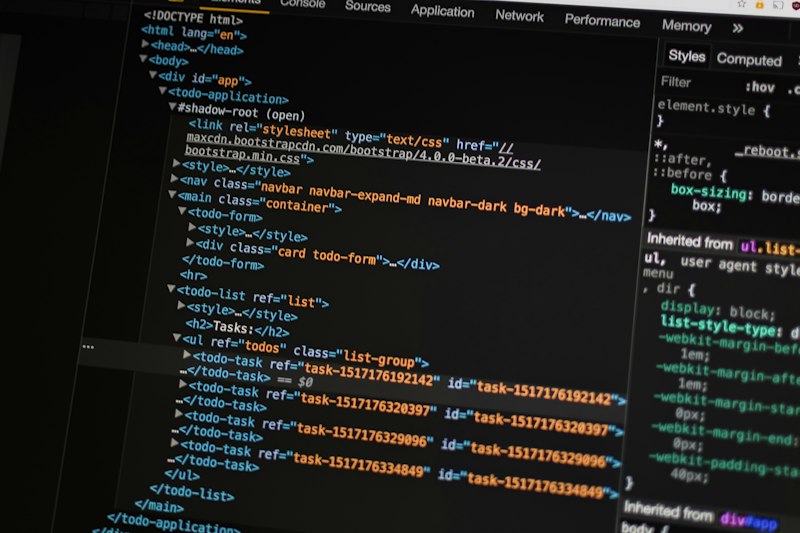
The Portfolio Paradox: Why "No Experience" Is a Myth
Here's the dirty secret of the tech industry: experience doesn't only come from employment. Every time you solve a coding challenge, build a side project, contribute to open source, or even write a thoughtful blog post about a technical concept, you're accumulating experience. The paradox isn't that you lack experience - it's that you haven't yet learned to frame what you've done as experience.
Consider this: a self-taught developer who builds a full-stack application from scratch - handling authentication, database design, API architecture, deployment, and user feedback - has arguably demonstrated more initiative and breadth than someone who spent six months fixing minor bugs in a legacy codebase. The key difference? The employed developer has a company name on their resume. Your portfolio needs to be the equalizer.
🔑 The Experience Reframe
Stop thinking about experience as "time spent employed." Instead, think of it as "problems solved and decisions made." A portfolio project where you chose between SQL and NoSQL, evaluated trade-offs, and documented your reasoning shows the exact same decision-making muscle that employers want to see from a junior hire.
Plenty of professional developers learned to code outside a computer science degree, and companies like Google, Apple, and IBM have publicly dropped degree requirements for many roles. The industry is shifting - and your portfolio is how you ride that wave.
- → Side projects count as experience - treat them that way
- → Open source contributions show you can collaborate with real teams
- → Freelance or volunteer work builds your professional narrative
- → Technical writing demonstrates deep understanding of concepts
- → Hackathon projects prove you can build under pressure
Choosing Projects That Actually Impress Hiring Managers
Not all projects are created equal. A to-do app tutorial clone won't turn heads, but a well-architected project that solves a real problem absolutely will. The key is to build things that demonstrate the skills companies are actually hiring for, while also showing genuine creativity and problem-solving ability.
Think about what makes a project impressive from a hiring manager's perspective. They want to see that you can handle complexity, make sound architectural decisions, write clean code, and follow through on an idea from concept to deployment. They're not looking for perfection - they're looking for evidence of growth, thoughtfulness, and the ability to learn independently.
| Project Type | Skills Demonstrated | Impact Level | Difficulty |
|---|---|---|---|
| Full-Stack CRUD App | API design, database modeling, auth | ⭐⭐⭐ | Medium |
| CLI Tool / Developer Utility | Problem-solving, packaging, documentation | ⭐⭐⭐⭐ | Medium |
| Data Visualization Dashboard | Data processing, UI/UX, charting libraries | ⭐⭐⭐⭐ | Medium-Hard |
| Open Source Contribution | Collaboration, code review, git workflow | ⭐⭐⭐⭐⭐ | Varies |
| Browser Extension | DOM manipulation, APIs, publishing | ⭐⭐⭐⭐ | Medium |
| Mobile App (React Native/Flutter) | Cross-platform dev, state management | ⭐⭐⭐⭐⭐ | Hard |
The "Real Problem" Test
Before starting any project, ask yourself: "Does this solve a problem that someone actually has?" If the answer is yes, you're on the right track. If you're building something just to check a technology box, reconsider. The best portfolio projects emerge from personal frustration - tools you wish existed, workflows you want to automate, or information you wish was easier to access.
- → Automate something boring: Build a tool that scrapes job listings and sends daily summaries
- → Solve your own problem: Create a budget tracker, meal planner, or study scheduler
- → Improve something existing: Rebuild a clunky public service website with better UX
- → Build for a community: A tool for your local running club, book club, or gaming group
- → Clone with a twist: Rebuild a popular app but add a unique feature or target a niche audience
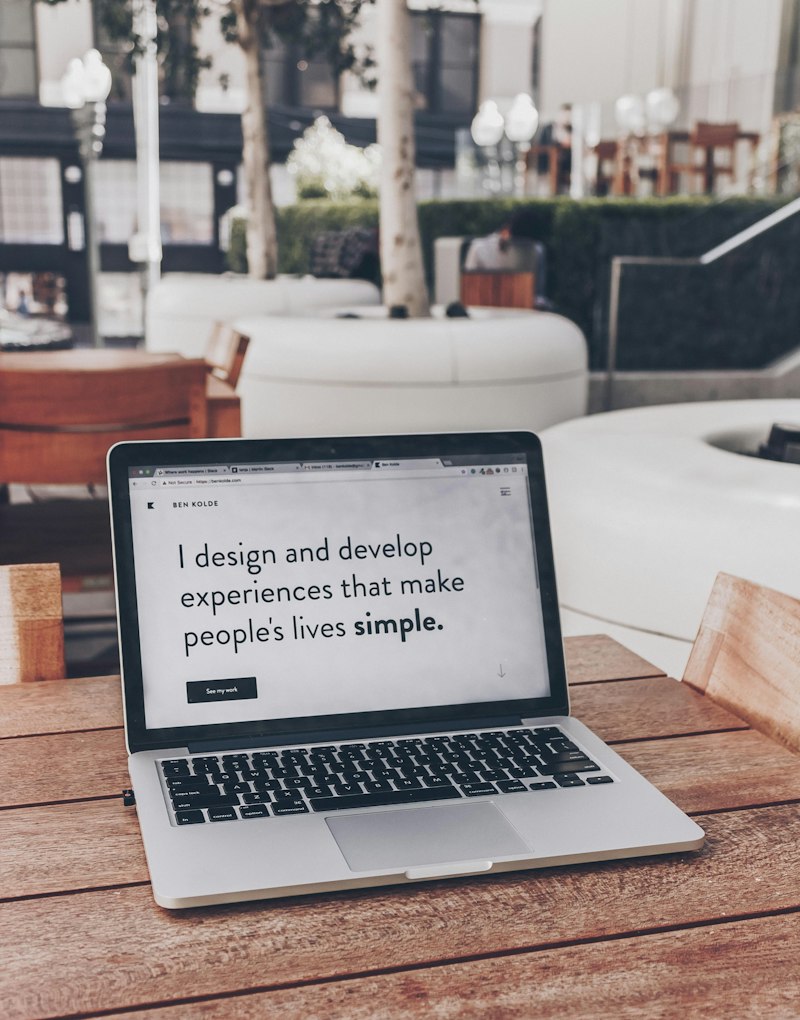
Showcasing Your Work: Presentation Is Everything
Building great projects is only half the battle. How you present them determines whether a hiring manager spends 30 seconds or 5 minutes exploring your work. Think of your portfolio as a product - and your user is a time-strapped recruiter scrolling through dozens of applications.
Every project in your portfolio should answer three questions within the first 10 seconds of viewing: What does this do? Why did you build it? What technologies did you use? If a visitor has to dig through code or read a 2,000-word README to understand those basics, you've already lost their attention.
📋 The Perfect Project Showcase Checklist
- ✅ Hero screenshot or GIF showing the project in action
- ✅ One-sentence description of what it does and who it's for
- ✅ Tech stack listed with icons or badges
- ✅ Live demo link (deployed and working)
- ✅ Source code link (clean, well-commented)
- ✅ "What I learned" section highlighting growth
- ✅ "Challenges & solutions" section showing problem-solving
- ✅ Future improvements section showing ambition
Your Portfolio Website Itself Is a Project
Don't overlook this: the portfolio website you build to showcase your projects is itself a project. This is your chance to demonstrate front-end skills, design sensibility, performance optimization, and attention to detail. A beautifully crafted portfolio site immediately signals competence before anyone even clicks on a project.
- → Use a custom domain -
yourname.devlooks far more professional than a free subdomain - → Ensure mobile responsiveness - many recruiters browse on phones
- → Optimize loading speed - a slow portfolio site is an instant red flag
- → Add subtle animations - parallax scrolling, hover effects, smooth transitions
- → Include a clear call-to-action - "Hire me" or "Let's chat" button
GitHub as Your Second Resume: A Strategic Approach
Your GitHub profile is often the second thing a hiring manager looks at after your resume. Treat it with the same care. A messy GitHub with half-finished repos, default READMEs, and sporadic commit history tells a story you don't want told. A polished GitHub tells the story of a disciplined, passionate developer who takes their craft seriously. The resume itself has to survive a much shorter look first; what recruiters scan for in the first six seconds covers it.
| GitHub Element | What Recruiters Look For | Quick Win |
|---|---|---|
| Profile README | Who you are, what you're working on, tech stack | Add a profile README with GitHub stats |
| Pinned Repos | Your best 4-6 projects, front and center | Pin your top projects, archive the rest |
| Commit History | Consistency, descriptive messages, active coding | Commit daily with meaningful messages |
| README Quality | Clear setup instructions, screenshots, architecture | Add badges, screenshots, and install steps |
| Issues & PRs | Collaboration skills, code review ability | Contribute to open source with quality PRs |
| Code Quality | Clean code, proper structure, testing | Add linting, formatting, and basic tests |
The Contribution Graph Myth
Let's address the elephant in the room: the GitHub contribution graph (those green squares). While a consistently green graph does signal dedication, quality matters infinitely more than quantity. Ten thoughtful commits that build a meaningful feature are worth more than 100 trivial commits padding your graph. Don't game the system - build genuinely, and the graph will follow naturally.
Assume your GitHub gets a quick look, not a careful read: the pinned repos, one click into a project, a scan of the README and a glance at the code. Make that first look count.
- → Write commit messages like headlines: clear, descriptive, and action-oriented
- → Use branches and pull requests even on solo projects to show workflow knowledge
- → Add a
.githubfolder with issue templates and contributing guidelines - → Set up GitHub Actions for CI/CD - even a simple test runner shows DevOps awareness
- → Star and fork repos you admire - it shows engagement with the broader community
Personal Branding: Becoming More Than Just Another Applicant
In a world where hundreds of candidates apply for the same junior role, personal branding is what transforms you from "applicant #247" into "oh, I've seen their work before." It's the difference between cold-applying and having recruiters reach out to you. And it's entirely within your control.
Personal branding doesn't mean becoming an influencer or building a massive Twitter following. It means consistently showing up in spaces where your work and thinking are visible. It means having a clear narrative about who you are, what you're passionate about, and where you're headed. It means making it easy for someone to Google your name and find evidence of your capabilities.

🎯 The Personal Brand Stack
Think of your personal brand as a tech stack with interconnected layers. Your portfolio website is the foundation. Your GitHub profile is the backend. Your blog or technical writing is the content layer. Your social media presence (LinkedIn, Twitter/X, Dev.to) is the distribution layer. Each layer reinforces the others, creating a compounding effect that grows over time.
Content Creation as Career Acceleration
Writing about what you're learning serves multiple purposes simultaneously. It deepens your own understanding (the Feynman Technique in action), creates discoverable content that attracts opportunities, and demonstrates communication skills that employers desperately want. You don't need to be an expert to write - document your learning journey, share your struggles, and explain concepts in your own words.
- → Start a blog: Write one article per week about what you're learning
- → Cross-post strategically: Publish on Dev.to, Hashnode, and Medium for maximum reach
- → Create tutorials: Teaching others is the fastest way to solidify your own knowledge
- → Share on social media: Tweet your wins, share your projects, engage with the community
- → Speak at meetups: Even a 5-minute lightning talk at a local meetup builds credibility
- → Record short videos: Loom walkthroughs of your projects show personality and communication skills
The 10 Portfolio Mistakes That Silently Kill Your Chances
You can do everything right and still sabotage your chances with a handful of common mistakes. These aren't obvious - they're the silent killers that cause hiring managers to close your portfolio tab without even realizing why they weren't impressed. Let's expose them so you can avoid every single one.
- → Tutorial clones: Building the same to-do app everyone else built from the same YouTube tutorial
- → Dead demo links: Nothing screams "careless" like a live demo that returns a 404
- → No README: A repo without a README is like a book without a cover - nobody opens it
- → Too many projects: Showing 20 half-baked projects is worse than showing 3 polished ones
- → No mobile responsiveness: If your portfolio breaks on a phone, it's an automatic rejection
- → Hardcoded API keys: Exposing secrets in your public repo is a major red flag
- → No error handling: Apps that crash on edge cases suggest a lack of production readiness
- → Ignoring accessibility: No alt text, poor contrast, and keyboard-inaccessible elements
- → Generic design: Using default Bootstrap styling without any customization
- → No "About Me" story: Failing to share your journey and what drives you as a developer
⚠️ The Biggest Mistake of All
The number one mistake aspiring developers make? Waiting until their portfolio is "perfect" before sharing it. Perfectionism is the enemy of progress. Ship early, iterate often, and treat your portfolio as a living document that grows with you. The best portfolio is one that exists and is public - not one that lives forever in your "I'll finish it someday" folder.
Getting Noticed: From Portfolio to Inbox Opportunities
A great portfolio sitting in the void won't get you hired. You need a distribution strategy - a systematic approach to putting your work in front of the right people at the right time. This isn't about spamming recruiters; it's about building genuine connections and making your work discoverable.
The job search game has fundamentally changed. Cold applications rarely get a reply. When you're already known to a hiring manager - through your content, your contributions, or a warm introduction - your odds are far better. Your portfolio is the tool that makes you known.

The Outreach Playbook
- → LinkedIn optimization: Feature your best projects in the "Featured" section with live links
- → Engage with target companies: Comment thoughtfully on posts from engineers at companies you want to join
- → Attend virtual events: Join company tech talks, webinars, and Twitter Spaces
- → Send targeted cold emails: Research a specific team, reference their recent work, and share a relevant project
- → Join developer communities: Discord servers, Reddit communities, and Slack groups for your tech stack
- → Contribute to company open source: This is the fastest way to get on a hiring manager's radar
The 30-60-90 Day Portfolio Sprint
If you're starting from scratch, here's a realistic timeline to go from zero to job-ready portfolio:
📅 Days 1-30: Foundation
Build and deploy your portfolio website. Complete one substantial project. Set up your GitHub profile with a README. Write your first blog post. Optimize your LinkedIn profile.
📅 Days 31-60: Expansion
Complete your second major project. Make your first open source contribution. Write 4 more blog posts. Start engaging on Twitter/X and Dev.to. Attend 2 virtual meetups.
📅 Days 61-90: Launch
Polish your third project. Record video walkthroughs of your work. Begin targeted outreach to 10 companies per week. Apply to 5 positions daily with customized cover letters referencing your portfolio projects.
Final Thoughts
Building a portfolio that gets you hired without traditional experience isn't about faking it until you make it. It's about demonstrating real skills through real work, presenting that work with care and intentionality, and putting it in front of people who can open doors. The developers who land their first jobs aren't necessarily the most talented - they're the ones who show up, ship consistently, and make their work visible.
Start today. Build something small. Ship it. Write about it. Share it. Then build something bigger. The portfolio you need doesn't have to be perfect - it just has to exist, evolve, and tell the story of a developer who refuses to wait for permission to start their career.
Ready to Ace the Interview After Building Your Portfolio?
Your portfolio gets you the interview - but Devana helps you crush it. Practice with AI-powered mock interviews, get real-time feedback on your technical answers, and build the confidence to perform under pressure.
Start Practicing With Devana →